Aviation Switching Module – NSN 4920-01-250-2696 (AS-IS / Untested): Military Aviation Electrical Module
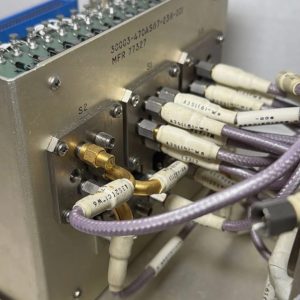
The Aviation Switching Module – NSN 4920-01-250-2696 (AS-IS / Untested) is a specialized aerospace website electrical component offered for professional evaluation, restoration, testing, parts recovery, collection, or another suitable non-assumed application.
The Aircraft Switching Module can form part of a specialized aviation system, while the Aerospace Switching Module requires identification through labels, technical documentation, connector configuration, and application records.
Whether buyers search for an Aircraft Electrical Switching Module, Aviation Electrical Control Module, Aircraft Power Switching Module, Aerospace Electrical Control Unit, or Aircraft Signal Switching Module, technical identification should guide the purchase.
Accurate use of Aviation Control Module, Aircraft Electronic Switching System, Aerospace Switching Unit, and Aircraft Electrical Module terminology improves SEO without creating unsupported functional claims.
Overview of the Aviation Switching Module
The National Stock Number provides an important catalog reference that can help buyers research the item’s supply history, technical identity, related part numbers, and possible equipment application.
Military or aviation-surplus components may carry replacement numbers, superseded numbers, modification markings, or contract identifiers that assist research.
Evaluating Surplus Aircraft Electronics
AS-IS and untested means the module is offered without confirmation that it powers on, switches circuits, communicates with associated equipment, meets specifications, or performs its original function.
An untested component should not be connected directly to aircraft wiring, expensive test equipment, batteries, laboratory supplies, or unknown power sources.
Aircraft Switching Module Applications
An Aircraft Switching Module may provide circuit selection, signal routing, controlled connection, isolation, mode selection, or interface functions within compatible aviation equipment.
Each visible feature should be photographed and described without assuming its electrical purpose.
Inspecting Aerospace Electrical Hardware
Age, handling, impact, humidity, temperature changes, contamination, and long-term storage can affect both mechanical and electrical condition.
Unknown connectors should not be forced into visually similar plugs.
Aircraft Electrical Switching Module Inspection
A burnt odor, melted material, soot, or arcing marks should be disclosed clearly.
Loose wires, nonstandard components, replaced relays, cut conductors, or evidence of field repair should be recorded.
Choosing an Aviation Electrical Control Module
Professional research should occur before any attempt to connect the Aviation Electrical Control Module.
High-resolution photographs can preserve readable details before cleaning or restoration.
Evaluating Aerospace Power Hardware
Power switching equipment can create heat, arcing, or equipment damage when connected incorrectly.
Any successful limited test should be documented precisely without changing the overall status beyond what was actually verified.
Aerospace Electrical Control Unit Evaluation
An Aerospace Electrical Control Unit may combine switching, control, indication, interface, or distribution functions within one enclosed assembly.
Replacement components should match the required electrical, mechanical, thermal, and environmental characteristics of the original design.
Aviation Signal Routing Equipment
An Aircraft Signal Switching Module may route low-level, control, communication, measurement, or test signals between compatible equipment channels.
A complete accessory inventory improves the commercial presentation of the Aircraft Signal Switching Module.
Aviation Module System Integration
Buyers should determine whether they need a direct replacement, restoration item, training aid, or parts source.
Every marking should be recorded before purchase or installation planning.
Aircraft Switching Unit for Maintenance or Restoration
The unit can provide parts, reference information, display value, training opportunities, or a candidate for professional restoration.
Technical schools may use a de-energized module to demonstrate connector inspection, switch construction, equipment identification, documentation research, or safe troubleshooting planning.
Aircraft Electrical Distribution Hardware
A module should not be loaded electrically until contact condition, insulation, wiring, and circuit configuration are understood.
Bent brackets, enlarged holes, missing fasteners, or distorted mounting surfaces may complicate restoration.
Aircraft Electrical Control Unit Inspection
The unit should be photographed before and after any preservation work.
Continuity measurements, insulation checks, contact-resistance testing, and component examination may be appropriate when performed by qualified personnel.
Aviation Electrical Power Management
An Aviation Power Control Module can have specialized applications within aircraft systems, aerospace ground equipment, maintenance platforms, or test installations.
Safe handling is important even when the Aviation Power Control Module is sold strictly AS-IS.
Maintaining Aerospace Switching Equipment
A single module removed from the system may not be testable through ordinary standalone methods.
Intermittent switching problems can result from worn contacts, damaged connectors, corrosion, weak relays, cracked solder joints, unstable power, or harness faults.
Preserving Military Aviation Equipment
Connector caps should remain fitted, and the module should be supported without placing pressure on switches, knobs, cables, or mounting brackets.
Original packaging should receive additional protection rather than being used as the only shipping container.
Buying AS-IS Aviation Electronics
A buyer seeking an operational replacement has different needs from a collector, technical school, parts dealer, or restoration specialist.
Images should show labels, switches, connectors, enclosure surfaces, mounting points, fasteners, seals, internal areas if opened professionally, and included accessories.
Untested Aviation Equipment Condition Checklist
The buyer should request enough information for an aviation electronics technician, aerospace-equipment specialist, or experienced surplus buyer to evaluate the unit.
- Verify the module identity through its NSN, data plate, physical configuration, connector arrangement, and available technical references.
- Inspect the enclosure for dents, cracks, corrosion, missing screws, altered holes, broken seals, damaged brackets, and signs of previous opening.
- Report shipping damage, missing accessories, identification differences, undisclosed repairs, or altered condition promptly.
Testing the Aviation Switching Module
A qualified technician may use controlled and current-limited equipment appropriate to the module design.
Powered testing should proceed gradually while monitoring current, temperature, smell, noise, indicators, and unexpected behavior.
Aircraft Electrical Module Repair Planning
Professional restoration can improve the usability and value of the Aerospace Switching Module.
Accurate records support future maintenance and responsible resale.
Aviation Switching Module Conclusion
For the right purchaser, the unit can offer a useful foundation for technical research, controlled troubleshooting, component recovery, or legacy-equipment restoration.
Buyers should request detailed photographs, accurate AS-IS disclosures, technical research, secure transaction terms, protective shipping, and qualified evaluation where appropriate.
Whether buyers need an Aircraft Power Switching Module, Aerospace Electrical Control Unit, Aircraft Signal Switching Module, or Aviation Control Module, electrical specifications should be verified before testing.
With prompt attention to switches, connectors, wiring, enclosure condition, corrosion, labels, and internal components, the module can preserve its technical and commercial potential.